Owning a piece of fine crystal isn’t just about elegance on the table-it’s about holding history in your hands. There’s something almost emotional in the way light dances through a hand-cut goblet, catching every facet like a prism. That sensation? It’s not accidental. Behind every shimmering piece lies centuries of craftsmanship, decisions made by artisans, not machines. This isn’t mere glassware; it’s heirloom artistry. And when comparing two legendary names-Saint Louis and Waterford-the differences go far beyond price tags or patterns.
The pillars of craftsmanship: Analyzing Saint Louis vs Waterford
At the heart of luxury crystal lies a fundamental divide: continental precision versus Atlantic tradition. Saint Louis, rooted in northeastern France since the 17th century, champions an approach defined bymouth-blown crystal and razor-sharp clarity. Each piece begins with a craftsman’s breath, shaped with a delicacy that allows for astonishing thinness-especially near the rim, where the glass seems to dissolve into air. This method demands absolute control, passed down through generations. The art of fine dining reaches its peak with the heritage of Saint Louis Crystal France.
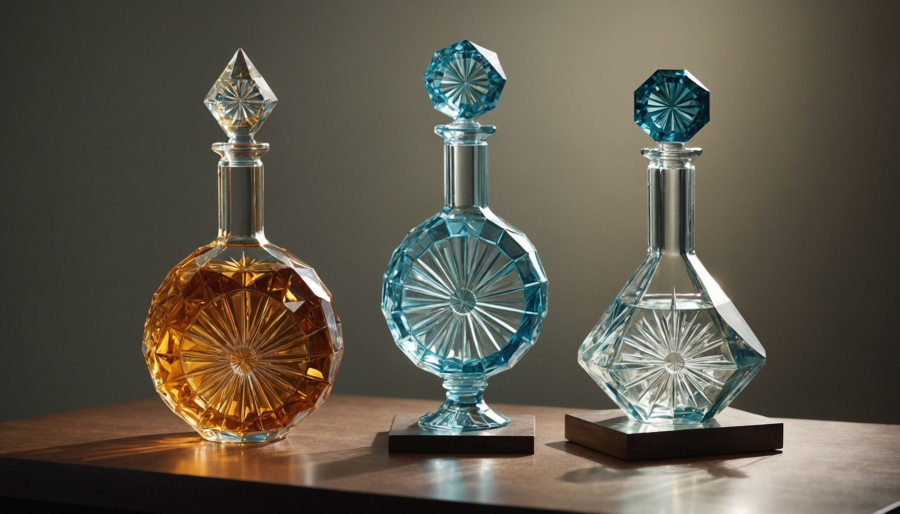
Continental precision versus Atlantic tradition
While Saint Louis emphasizes finesse and lightness, Waterford-born in Ireland in 1783-often leans into bolder, deeper cuts. Its signature style features pronounced wedge-shaped engraving, creating a more tactile, weighty presence. Where French technique aims for ethereal brilliance, Irish craftsmanship celebrates bold relief and density. Both are handcrafted, yes, but the philosophies diverge: one seeks to disappear in the hand, the other to command attention.
The weight and feel of luxury
Hold a Saint Louis wine glass and you’ll notice its surprising lightness-yet it never feels fragile. This is due to precise lead oxide content and expert balancing. Waterford pieces, by contrast, tend to feel more substantial, even heavy, thanks to deeper cutting and thicker walls. For some, that weight signals luxury. For others, the French model’s elegance lies in its restraint. The difference becomes clear during long dinners: one rests lightly on the palate, the other makes a statement with every sip.
Clarity and light refraction
True brilliance isn’t just about sparkle-it’s about fire. Saint Louis achieves exceptional light refraction through ultra-pure crystal formulas and hand-cut precision, resulting in sharp, clean flashes of color. Waterford’s deep cuts scatter light differently, producing a warmer, more diffuse glow. The secret? Each house guards its own melt recipe-tiny variations in minerals, temperature, and cooling time that affect transparency and tone. These aren’t just aesthetic choices; they’re alchemical traditions.
| Attribute | Saint Louis | Waterford |
|---|---|---|
| Glassblowing method | Mouth-blown with precise control | Mouth-blown with robust shaping |
| Cutting style | Flat, sharp facets for maximum refraction | Deep wedge cuts with rounded edges |
| Signature colors | Cobalt Blue, Ruby Red, Emerald Green | Clear crystal with occasional colored accents |
| Historical origin | 1687, Saint-Louis-lès-Bitche, France | 1783, Waterford, Ireland |
Defining characteristics of iconic crystal patterns
Recognizing authentic crystal isn’t just about logos-it’s about reading the language of the cut. Every facet tells a story of origin, era, and artisan intent. The most telling details aren’t always visible at first glance. They reveal themselves in the way light catches an edge, or how a glass rings when gently tapped.
Identifying authentic hand-cut motifs
Saint Louis patterns, like the legendary Torsade or Fleur de Lys, are known for their geometric rigor and crisp lines. Look closely: the transitions between cuts are sharp, almost architectural. Waterford’s Lismore pattern, by contrast, blends vertical cuts with diamond-shaped motifs softened at the edges-a hallmark of Irish design. These aren’t flaws; they’re stylistic signatures. An expert eye can distinguish them instantly, even without a signature.
The significance of colored crystal
Saint Louis stands apart in its mastery of solid-colored crystal, particularly deep cobalt blue and ruby red. These aren’t surface tints-they’re achieved by adding metallic oxides directly into the molten batch, ensuring color runs through the entire piece. This technique requires flawless temperature control and timing. Few houses still practice it at this level. The result? A richness that synthetic dyes or coatings can’t replicate.
- Etched signatures: Saint Louis typically signs near the base or stem junction; Waterford often uses acid stamps on the underside.
- Weight distribution: French pieces balance higher up the stem; Irish ones feel heavier at the foot.
- Starburst complexity: Count the rays-Saint Louis often uses 12- or 16-point precision cuts; Waterford favors 8-point symmetry.
- Rim thinness: Saint Louis rims are often paper-thin, a result of skilled fire-polishing.
- Sound resonance: A gentle tap should produce a clear, sustained "ping"-dull thuds suggest lower crystal quality or damage.
Caring for an heirloom: Preservation techniques
A crystal collection is only as enduring as its care. These pieces are made to be used, yes-but with intention. Sudden temperature shifts, harsh detergents, or careless stacking can undo centuries of craftsmanship in seconds. Preserving their brilliance means respecting their fragility.
Washing and drying rituals
Never expose high-lead crystal to extreme heat or cold. Washing in lukewarm water with a mild detergent prevents stress fractures. Always hand-wash-dishwashers, even on gentle cycles, subject glass to vibrations and thermal shocks that degrade fine cuts over time. Use a soft, lint-free cloth to dry immediately. Trapped moisture can leave mineral spots or encourage micro-cracks.
Long-term storage for glass collectors
Store glasses upright, never nested. If space is limited, place a soft cloth between each piece to prevent rim-to-rim contact. Avoid damp basements or sunlit cabinets-UV exposure can fade colored crystal, and humidity promotes clouding. For long-term display, rotate pieces occasionally to ensure even light exposure. Proper care ensures that heritage craftsmanship remains visible for generations.
Common Questions
Is crystal glass still better than modern lead-free alternatives for daily use?
Traditional lead crystal offers superior clarity and resonance, but modern lead-free options have improved significantly in brilliance and durability. For everyday use, lead-free may be more practical. For special occasions, the depth of light refraction in authentic crystal remains unmatched-though it requires more careful handling.
How have modern LED lighting trends affected the way we display crystal today?
Dimmable LED lighting enhances crystal by allowing precise control over ambiance. Cooler tones highlight clarity and sharp cuts, while warmer settings bring out the depth in colored pieces. Many contemporary collections, like Saint Louis’s Torsade line, are designed specifically to interact with modern lighting, creating dynamic reflections that evolve with the room’s mood.
What should I look for in a certificate of authenticity for antique pieces?
A valid certificate should include the manufacturer, production date, pattern name, and a detailed description of materials and craftsmanship. It should also note any restoration work. Reputable dealers provide provenance documentation, especially for 19th- and early 20th-century pieces. When in doubt, consult a specialist in antique glassware.
I inherited a mixed set; can I use different brands on the same table?
Yes-mixing brands can create a curated, personal tablescape. The key is harmony: match color tones, rim thickness, and overall formality. Pairing Saint Louis’s sleek lines with Waterford’s bold cuts can work if balanced thoughtfully. It’s less about rules and more about creating a cohesive art de vivre that reflects your taste.
